

Understanding Permits, Licenses & Officiants
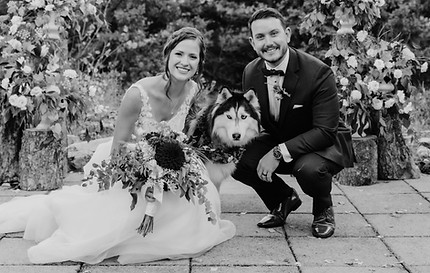
El Cap Meadow
Yosemite | Oct 2017
Before you elope, it’s essential to get the paperwork right. Most states require a marriage license (and sometimes a short waiting period), which you’ll obtain from the county clerk’s office where you plan to marry. While many couples hire an officiant to lead the ceremony and sign the license, certain states allow self-solemnization — meaning you and your partner can legally marry yourselves without anyone else present. The rules vary widely by location, so checking the specific requirements ahead of time saves you stress and keeps your elopement smooth and fully legal.
Read on below to discover which states make self-solemnization easiest and how to handle the logistics wherever you choose to say “I do.”
Elopement Permitting Guide

Planning a national park elopement or wedding on public lands requires special permits in addition to your marriage license. Most National Parks (such as Rocky Mountain, Zion, Yosemite, and Great Smoky Mountains) require a special use permit for ceremonies. These permits control the group size, location, time, and environmental impact. Fees typically range from $100–$500+, and many popular parks require applications 3–6 months in advance due to high demand.
For public use areas, national forests, and BLM land, rules are often more relaxed but still require checking with the local ranger district or field office. Some areas need only a free or low-cost permit, while others prohibit ceremonies entirely or limit them to designated spots. Always research the specific park or public land’s official website for current elopement permit requirements, group size limits, and any banned locations to avoid fines or having your ceremony shut down.

Pro tip:
Obtaining the right national park elopement permit early ensures a smooth, legal, and unforgettable experience. Combine it with your marriage license and self-solemnization (where allowed) for maximum flexibility.
If eloping at a hotel or resort, it's always important to ask the site manager for permission to ensure a stress-free elopement day.

Getting Your Marriage License
Most states follow a similar process: you’ll need to apply for a marriage license at the county clerk’s office in the location where you plan to marry. Requirements like waiting periods, residency rules, identification, and fees vary by state and county — for example, in Colorado, you can often apply on the spot, pay around $30, and self-solemnize immediately with no officiant, judge, or witnesses required.
Other states may have a short waiting period after issuance or additional forms. Once you’ve chosen your elopement destination, visit the official county or state vital records website for the most up-to-date details on licenses, fees, and self-solemnization rules.
If you’re planning to elope abroad, begin your research on the destination country’s official government website (often the Ministry of Justice, Civil Registry, or Foreign Affairs site) or its immigration/embassy portal. Legal requirements for foreign couples can be complex, involving apostilles, translations, residency periods, or specific documentation.
Because of this, many couples choose to handle only the symbolic ceremony overseas and complete the official legal marriage back in their home country (or in a self-solemnization-friendly U.S. state) to keep things simple and ensure full legal recognition.


Did You Know?
Self solemnization is the act of couples having the power (like an officiant or judge) to legally marry each other, also known as self-uniting.
Colorado - Easiest option. No officiant and no witnesses required.
District of Columbia - No officiant or witnesses required.
Pennsylvania - Allowed with a self-uniting license. Usually requires 2 witnesses.
Wisconsin - Allowed, but may require a waiver or religious declaration. Witnesses are often needed.
Illinois - Allowed, often with religious justification. Witnesses may be required.
California - Available with a confidential (non-clergy) marriage license. Witnesses are typically required.
Montana - Allowed in some cases.
Kansas - Requires religious exemption (e.g., Quaker tradition).
Maine - Requires religious exemption (e.g., Quaker or Baha'i).
Nevada - Limited circumstances, often religious.
Getting Your Officiant
Even if you're getting married in the states above or in DC, having an officiant handle your marriage license and submit it to the county clerk's office is always a great perk. One less thing to worry about. When looking for an officiant, check first to see if they are available for your elopement, that they're legally able to marry you, and someone who fits your vibe.


Yay, you're almost there!
Just a few more things to consider and account for. Read on to the next page to see if you're missing out on anything important for your elopement!
Continue Reading
