
What Is a Micro Wedding?
The Complete Guide for Couples Who Want Something Different
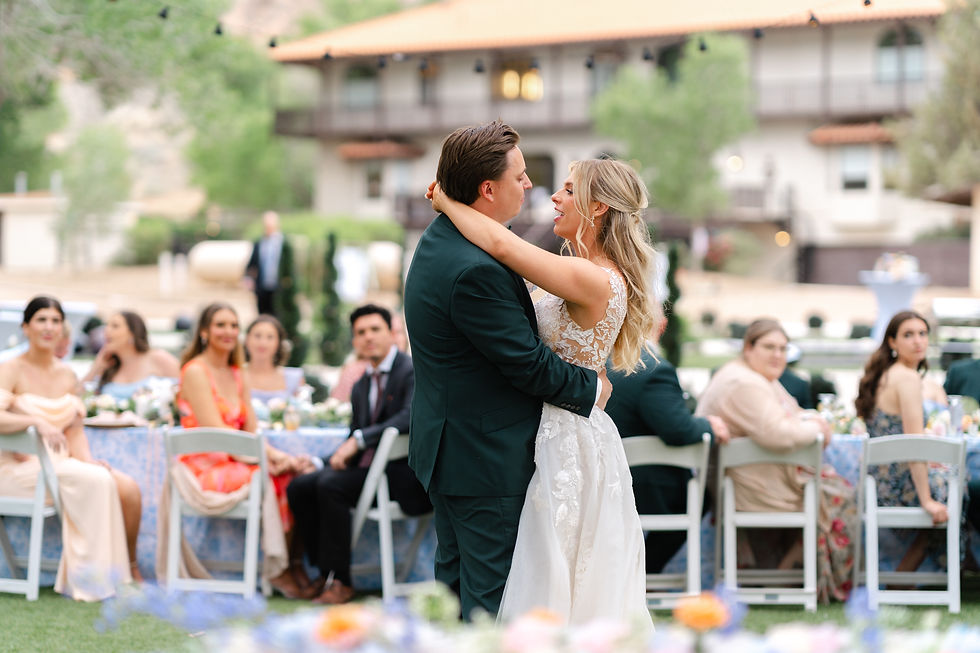
You've said yes. Now comes the harder question: what kind of day do you actually want?
For a lot of couples, the answer isn't a 200-person ballroom, and it isn't just the two of you on a mountaintop either. It's something in between — a day big enough to include the people who matter most, small enough to still feel like yours. That in-between space has a name: the micro wedding. And it's quickly becoming one of the most requested styles of celebration we photograph.
If you've been Googling "micro wedding vs elopement" at 1am trying to figure out which one fits your relationship, this guide is for you.
What Is a Micro Wedding, Exactly?
A micro wedding is a scaled-down wedding — typically 10 to 50 guests — that keeps the traditional structure of a wedding day (ceremony, reception, toasts, dancing, cake) but strips away the parts that don't matter to you. Think of it as all the meaning of a full wedding, without the guest list stress, the seating chart negotiations, or the six-figure invoice.
Micro weddings usually still include:
A formal ceremony with vows
A small, curated guest list of close family and friends
A reception element — dinner, toasts, first dance
Professional photography and videography
A single, often stunning, location
What they usually don't include is the stuff couples say they dread most: forced small talk with second cousins, a rigid timeline dictated by a venue coordinator, or a guest list built around obligation instead of intention.
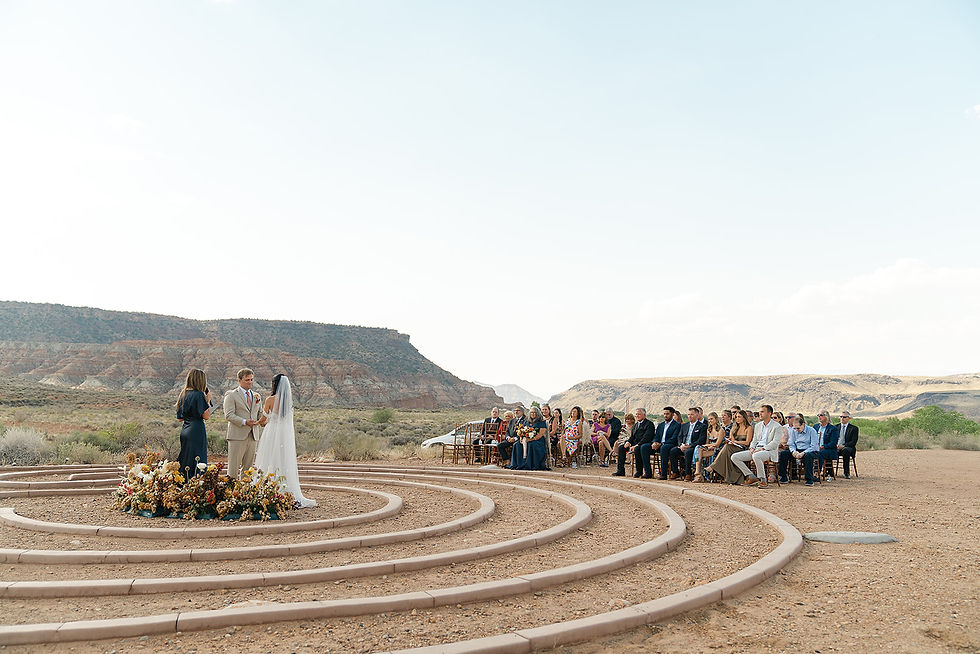
Micro Wedding vs. Elopement vs. Traditional Wedding
This is the question we get asked more than almost any other. Here's the honest breakdown:
Elopement | Micro Wedding | Traditional Wedding | |
Guest count | 0–10 (often just the couple) | 10–50 | 100+ |
Location | Anywhere — national parks, cliffside, forests | Anywhere, often still a "destination" | Typically a wedding venue |
Timeline | Flexible, often just a few hours | Half-day to full-day | Full day, tightly scheduled |
Guest experience | Private, intimate, sometimes just for the couple | Personal but still includes toasts, dancing, shared meals | Full social event for extended circles |
Planning timeline | Can be planned in weeks | A few months | 12–18 months typical |
The short version: an elopement is about the two of you. A traditional wedding is about your entire community. A micro wedding is the honest middle ground — built around the closest 20 or 30 people, without losing the intimacy that made elopements so appealing in the first place.
Is a Micro Wedding Right for You?
You might be a micro-wedding couple if you find yourself nodding along to any of these:
You want a real ceremony and reception — you're just not interested in a 150-person guest list
You'd rather spend your budget on an incredible location, photography, and an unforgettable dinner than on centerpieces and favors
You want your parents or closest friends there, but you don't want to manage a seating chart
You're drawn to a specific place — a national park, a vineyard, a coastline — more than a specific venue
You want a wedding day that actually feels like a day, not a 10-hour marathon of logistics
If that sounds like you, you're exactly who we build these days for.
Where to Have a Micro Wedding?
One of the best parts of going small is that your location options open up dramatically. Without needing a ballroom that fits 150 people, you can get married almost anywhere — including places that a traditional wedding never could.
Some of our favorite micro wedding settings:
Red rock canyons and desert landscapes — dramatic backdrops with built-in privacy
National parks — Zion, Sedona, and similar landscapes offer sweeping views and a sense of scale no ballroom can match
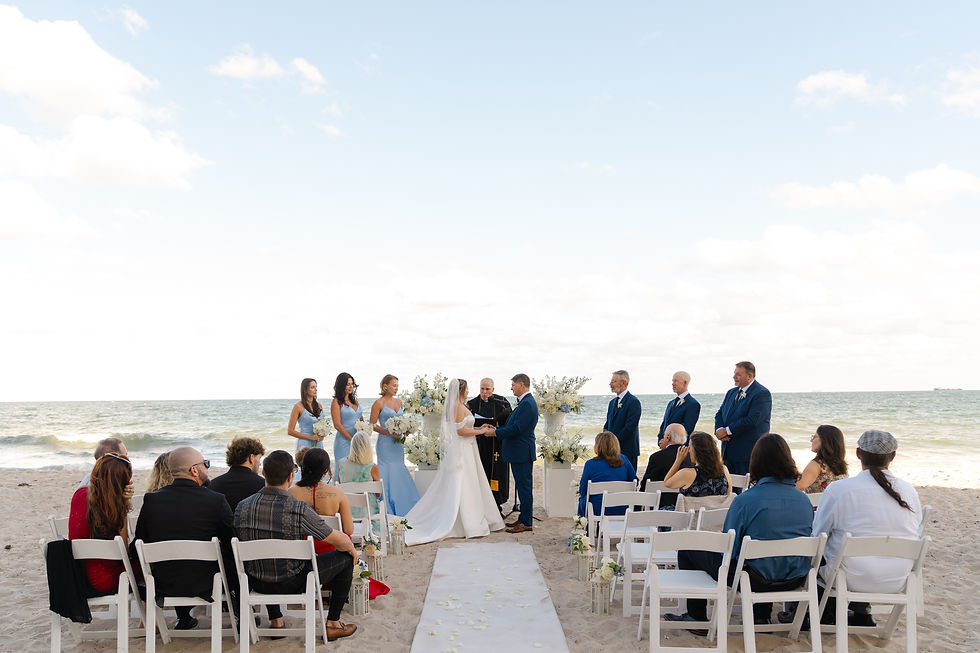
Coastal and waterfront settings — for couples drawn to Florida's golden-hour light and open water
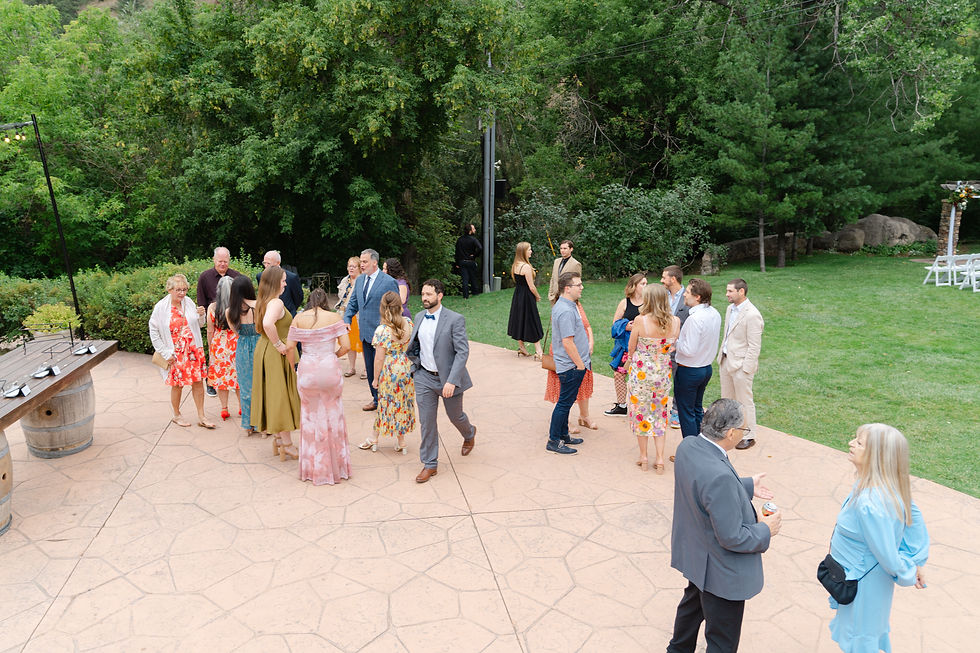
Private estates and small venues — for couples who want the intimacy of a micro wedding with a more traditional reception feel
Wherever you land, permits, timing, and weather all play a bigger role than most couples expect — which is exactly why working with a photographer who already knows a location cold (golden hour timing, permit requirements, backup plans) makes the day run smoother.
The Expert Side: What Actually Makes a Micro Wedding Work?
A few things we've learned after photographing hundreds of small and intimate weddings:
1. Build in more time than you think you need. With fewer guests, there's a temptation to compress the timeline. Don't. The best part of a micro wedding is the unhurried pace — protect it.
2. Choose vendors who specialize in small. A caterer built for 200-person weddings will over-engineer a 20-person dinner. Look for vendors who actively want smaller events, not ones tolerating them.
3. Don't skip the reception elements you actually want. Just because your guest list is small doesn't mean you have to cut toasts, a first dance, or a real dinner. Micro doesn't mean minimal — it means intentional.
4. Invest what you save into experience, not stuff. Couples who go micro often redirect their budget into a better location, a longer photography/videography package, or a truly great meal — the things guests actually remember.
Why Couples Are Falling in Love With This Format
There's a specific kind of magic that happens at a 20-person wedding that's hard to manufacture at a 200-person one: every single guest in the room actually matters to you. Your dad's toast isn't competing with a DJ trying to keep 150 people on the dance floor. Your best friend isn't seated at a table with people she's never met. You're not spending your own wedding day working the room.
Instead, you get a slow morning getting ready with the handful of people who raised you and stood by you. A ceremony where you can see every face that matters. A dinner where the toasts actually land, because everyone's close enough to hear them and mean them.
It's the wedding-day version of quality over quantity — and it's exactly why we built our business around it.
Frequently Asked Questions
How many guests can I have at a micro wedding?
Most micro weddings fall between 10 and 50 guests, though there's no strict rule — the format is defined by intention, not a hard number.
How do we gently handle family members or friends who aren’t invited?
This is one of the most common hurdles couples face, and the best approach is clear, loving boundaries. We recommend letting them know early on that you’ve made the intentional decision to have an intimate, micro-scale ceremony. Many couples choose to share their professional wedding gallery or film afterward, hosting a casual celebratory dinner or viewing party down the road to include their broader circle without losing the magic of their private wedding day.
Can I still have a full ceremony and reception with a micro wedding?
Absolutely. Micro weddings typically include everything a traditional wedding does — vows, toasts, dinner, first dance — just scaled to a smaller, more intentional guest list.
What's the difference between a micro wedding and an elopement?
An elopement usually involves 0–10 people (often just the couple), while a micro wedding includes a small but meaningful guest list of family and close friends, along with reception elements like dinner and toasts.
Do we still need a wedding coordinator if our guest count is small?
While you won't need a traditional coordinator to manage a 200-person moving machine, having a day-of coordinator or an experienced point person is still incredibly valuable. Even with 20 guests, someone needs to cue the music, coordinate with the private chef, and ensure your timeline flows smoothly. If you don't hire a formal planner, we work closely with you to map out a seamless timeline so you can stay fully present instead of managing logistics.
Ready to Plan Your Micro Wedding?
If this sounds like the day you've been picturing, we'd love to help you build it — from choosing the right location down to the last detail of your timeline.


